
A little about postpartum recovery
The weeks after giving birth are treated in TCM as a distinct stage of life with its own care. In Malaysia most families know it as confinement, 坐月子, "sitting the month", traditionally around 28 to 42 days of rest, warmth and nourishing food. In TCM the thinking is simple: childbirth uses up a lot of qi and blood, and the body needs warming, rebuilding and protecting. Postpartum care at LS TCM fits around whatever your family is already doing, whether a full confinement with a pui yuet or nothing at all.
What it feels like
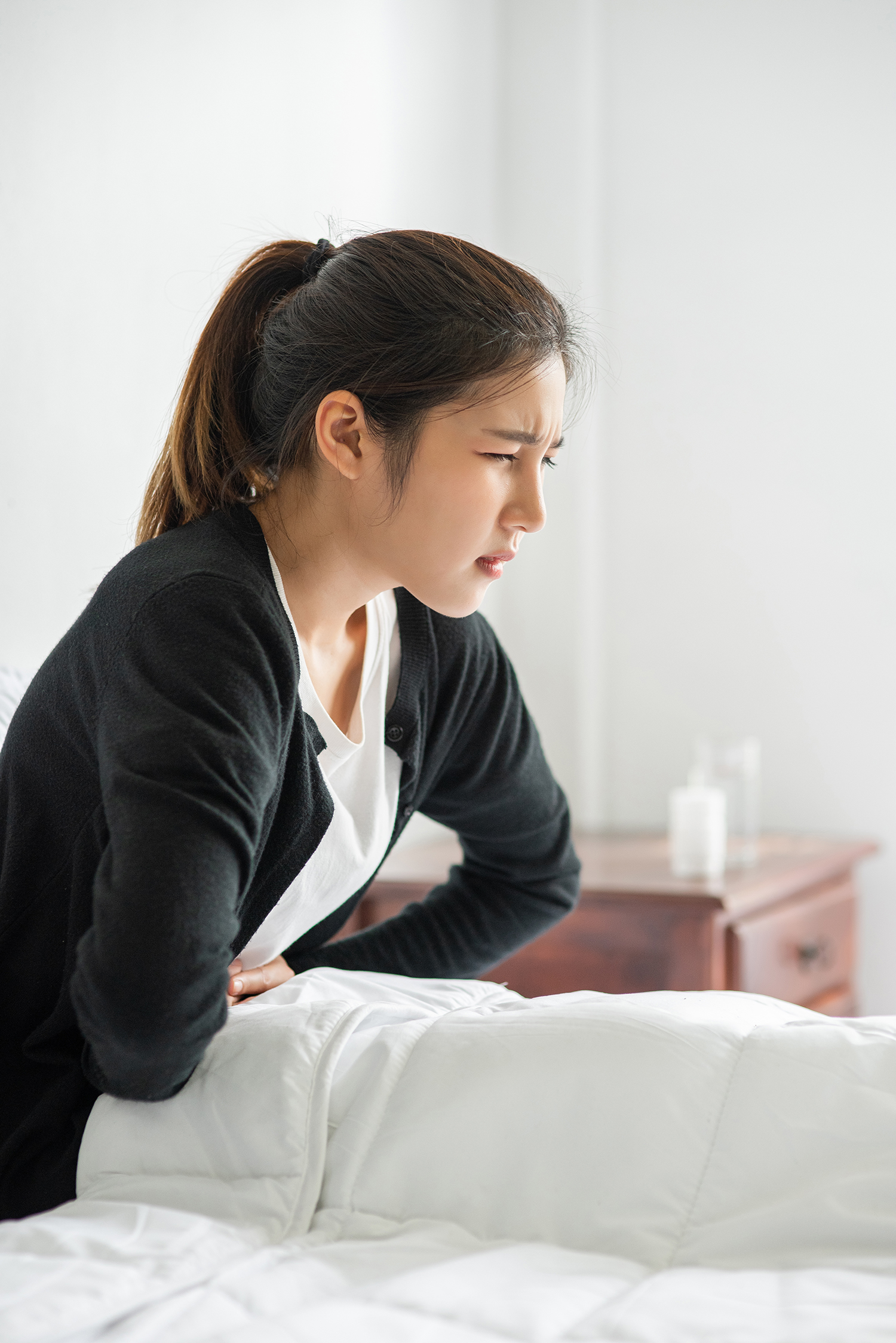
The weeks after a birth are the weeks when everyone asks about the baby. Meanwhile you are sore, running on broken sleep, aching through the back and shoulders from feeding, and quietly wondering when you will feel like yourself again. Afterpains, night sweats, a wrist that hurts every time you lift the baby. Nobody asks, so nobody treats it.
Some women come to us at three weeks. Others come at six months, still not feeling right. Both are good places to start from.
How TCM can help
TCM helps by rebuilding what the birth used up and by treating the physical strain of caring for a newborn at the same time. TCM treats the pattern you present with, and after a birth the pattern is usually depletion of qi and blood, often with cold, so treatment works to warm the lower abdomen and back, nourish blood, restore energy and settle sleep.
Moxibustion warms the channels and eases afterpains and low back ache. Herbal formulas are staged, first to support recovery from the birth itself, then to nourish. Acupuncture and tui na work on the back, neck, shoulders and wrists that feeding and carrying wear down, and on sleep.
What treatment looks like
Your first appointment takes 30 to 60 minutes. Your practitioner asks how you delivered, how you are healing, whether you are breastfeeding and what medication you take, then she examines the tongue and pulse.
Treatment draws on moxibustion over the lower abdomen and back; Chinese herbal medicine staged to your recovery and suited to breastfeeding, supplied as granules and changed weekly at no extra charge; gentle acupuncture for back, pelvic and shoulder ache, sleep and exhaustion; and tui na for the upper back, neck, shoulders, wrists and thumbs. Abdominal tui na is introduced once healing allows.
The Post Partum Treatment Package combines 30 days of herbal medicine with two sessions of pelvic adjustment, one session of abdominal tui na, and two further sessions chosen from acupuncture, cupping or moxibustion according to how your recovery is going.
The path to results
Most women start between two and six weeks after the birth, later after a caesarean or a complicated delivery, and the course runs over about six to twelve weeks.
The first two weeks. Weekly sessions and your first herbal formula. Your practitioner reviews the prescription weekly, because postpartum recovery changes quickly. Warmth, sleep and afterpains are commonly the first things to improve.
The first month. Back, neck and wrist pain typically ease over the first few sessions of tui na and acupuncture, and your practitioner looks at your feeding setup with you. The herbal formula moves from the recovery stage to the nourishing stage as your body is ready for it.
Weeks six to twelve. Energy is the slower change, and this is where it usually becomes noticeable: the flat, depleted tiredness lifting, night sweats settling, digestion steadier. Sessions move to fortnightly, then as needed.
Afterwards. Many women finish here; some return for the next pregnancy. Your practitioner reviews the plan at each stage and adjusts it to how you are healing.
The benefits of treating postpartum recovery with TCM
- Rebuilds what the birth used up, rather than waiting for it to come back on its own
- Treats the aches of feeding and carrying in the same session as the recovery itself
- Natural, warming treatment that works with the body rather than against it
- Herbal formulas staged to your recovery and changed weekly as you heal
- Pelvic adjustment by gentle manual mobilisation, never a thrust
Arrange postpartum care
LS TCM, 37G, Jalan 2/90, Taman Pertama, 56100 Cheras, Kuala Lumpur.
Call +60 3-2385 5899 or message us on WhatsApp, usually answered within minutes. Open Tuesday to Friday 10:30–19:00 and Saturday to Sunday 09:30–18:00; closed Mondays.
General information about TCM, not medical advice. TCM at LS TCM works alongside your medical care; continue any prescribed medication as directed by your doctor.
Common questions
When can I start postpartum TCM treatment?
Can I have treatment while breastfeeding?
Can I have treatment after a caesarean?
What does pelvic adjustment involve?
Should I take the confinement herbs my family bought me?
Is it safe?
What does it cost? It depends on which treatments are involved and how long the session runs. Message us on WhatsApp with what you are coming about and we will tell you before you book.