
What is acupuncture?
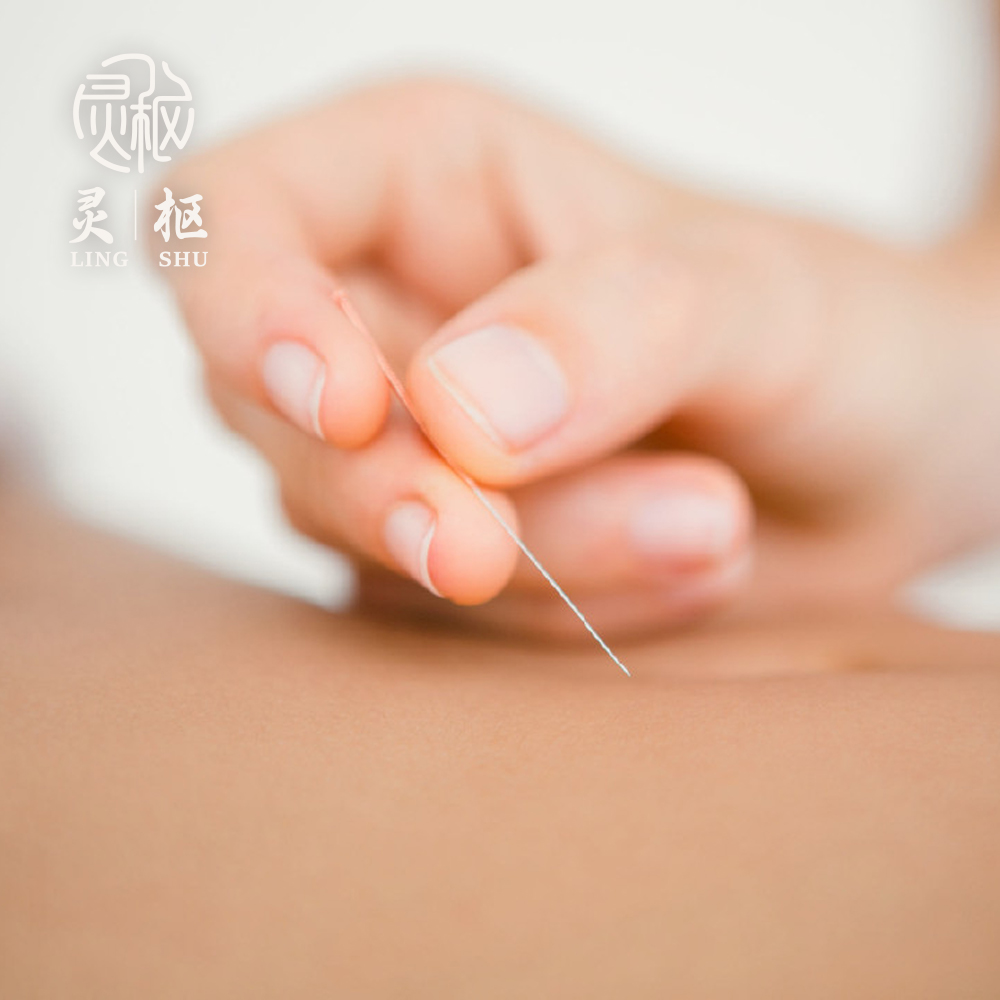
Acupuncture is the insertion of very fine, single-use needles at specific points on the body to stimulate the flow of qi and blood through the channels. It is the best known treatment in TCM and one of the oldest, with a written tradition stretching back more than two thousand years.
At LS TCM it is a core part of most treatment plans, for men and women alike. We use it for pain and injury, for sleep and stress, for digestion, and for women's health, as well as for the everyday complaints that wear people down: a stiff neck by Thursday, low energy, a night's sleep that never quite arrives. It is natural healing that works with the body rather than against it.
How acupuncture works
In TCM, health depends on qi and blood moving freely through a network of channels that connect the surface of the body with the organs inside. When that flow is blocked, weakened or out of balance, pain and illness follow. Acupuncture restores movement: a needle placed at the right point releases the blockage, moves stagnation and brings the channel back into balance.
Each point has its own character and reach. Points on the hand are used for headache and neck pain; points along the spine for the lower back and the shoulders; points on the lower leg for digestion and for the menstrual cycle. Your practitioner selects a combination that matches the pattern found at assessment rather than only the place that hurts, which is why a treatment for shoulder pain may include a point on the ankle.
This is root-cause management rather than symptom suppression. The aim is to help the body correct the pattern that produces the symptom, so that relief lasts.
What acupuncture is used for
Acupuncture is used here for a wide range of everyday complaints. Pain is one of our two areas of focus and women's health is the other. Much of what we see day to day sits alongside both. Patients of any age or sex commonly come in with:
- Lower back pain, neck pain and desk-work stiffness
- Frozen shoulder, knee pain and sciatica
- Migraine, tension headache and TMJ dysfunction
- Sports injury in the recovery phase, and the stiffness that follows hard training
- Poor sleep, stress, fatigue and unsettled digestion
- Period pain, irregular cycles and premenstrual symptoms, including PCOS support
- Preconception and cycle support and postpartum recovery
See our pain relief and women's health pages for how each is approached.
What a session looks like
An appointment takes 30 to 60 minutes, first visit and follow-up alike. Both practitioners consult in English, Mandarin, Cantonese and Bahasa Malaysia.
Your practitioner begins with your main complaint and then the wider picture: sleep, digestion, energy, appetite, stress, how you sit and move at work, and, for women, the menstrual cycle. She looks at your tongue, takes the pulse at both wrists, and explains what she has found and what she proposes.
You lie on the couch, covered, with only the area being treated exposed. Every needle is single-use, individually sealed and opened in front of you. Most people feel a brief prick on insertion, then a dull, warm or spreading sensation known as de qi (得气), the sign that the point has been engaged. The needles stay in for the rest of the session while you rest in a quiet room. Plenty of people fall asleep.
A course of treatment
Acupuncture works cumulatively, so most people have a course rather than a single session. Each treatment builds on the last, and the changes settle in and hold as the course goes on.
As a general guide:
- Recent problems: four to six sessions, one to two a week
- Long-standing pain: six to ten sessions, then a review
- Cycle-related complaints: reviewed over three menstrual cycles
- Maintenance once things are stable: monthly or as needed
Early in a course, relief often arrives in the hours after a session and eases off over a few days. As treatment continues the good days last longer and the pattern behind the symptom loosens its hold. Your practitioner adjusts the points at every visit, and at the review point you decide together whether to continue, space sessions out, or add herbal medicine for longer-term support.
Charges are given to you before treatment begins. You can pay by card, QR payment, cash or internet banking transfer.
Common questions
Does acupuncture hurt?
Is it safe?
How many sessions will I need?
Can I have acupuncture while pregnant?
What should I do after a session?
Do you treat men?
Do I need a referral?
What does it cost? It depends on which treatments are involved and how long the session runs. Message us on WhatsApp with what you are coming about and we will tell you before you book.