
A little about insomnia
Insomnia is difficulty falling asleep, staying asleep, or getting back to sleep after waking early, often enough that it affects the day. Some people lie awake for an hour at bedtime; some doze off easily and wake at three; some sleep the hours and wake unrefreshed. It commonly starts with a stressful season and then outlasts the cause: a hard stretch at work, shift patterns, late calls with teams in other time zones, a worry that will not put itself down. TCM has treated sleep disturbance for centuries, in men and women alike.
What it feels like
Most people who come to us about sleep have been struggling for a long time before mentioning it to anyone. Sleep problems are easy to normalise. You drink more coffee and tell yourself it is just this season of work. Then it is a year later. You dread going to bed, you watch the clock at 3am, and the day after is spent in a fog. It stops being a phase and becomes how you live.
How TCM can help
TCM helps by settling the mind and rebuilding what it rests on. In TCM, sleep is the mind, or shén, settling for the night, and insomnia is the mind failing to settle, either because something is agitating it or because there is not enough substance to anchor it. TCM treats the pattern you present with, which is why two people who both say "I can't sleep" are given different treatment.
Where sleep is disturbed by heat and agitation, vivid dreams, waking hot, a mind that will not switch off after a stressful day, treatment works to clear heat and calm the Liver. Where sleep fails for want of nourishment, dozing off but waking repeatedly, lying awake at four o'clock, tiredness that sleep does not repair, treatment works to nourish Heart and Spleen and to reconnect Heart and Kidney.
Because treatment works on the ground beneath the sleep, daytime energy, digestion and stress improve with it, alongside your doctor's care.
What treatment looks like
Your first appointment takes 30 to 60 minutes, and most of it is a detailed history of your nights. Your practitioner asks when you get into bed, how long you take to fall asleep, how often you wake and what wakes you, and what you do when you cannot sleep. She asks about caffeine, alcohol, screens, exercise, shift patterns and working hours, and what changed around the time it started, then examines the tongue and pulse. A simple paper sleep diary for the week before your visit is the most useful thing you can bring.
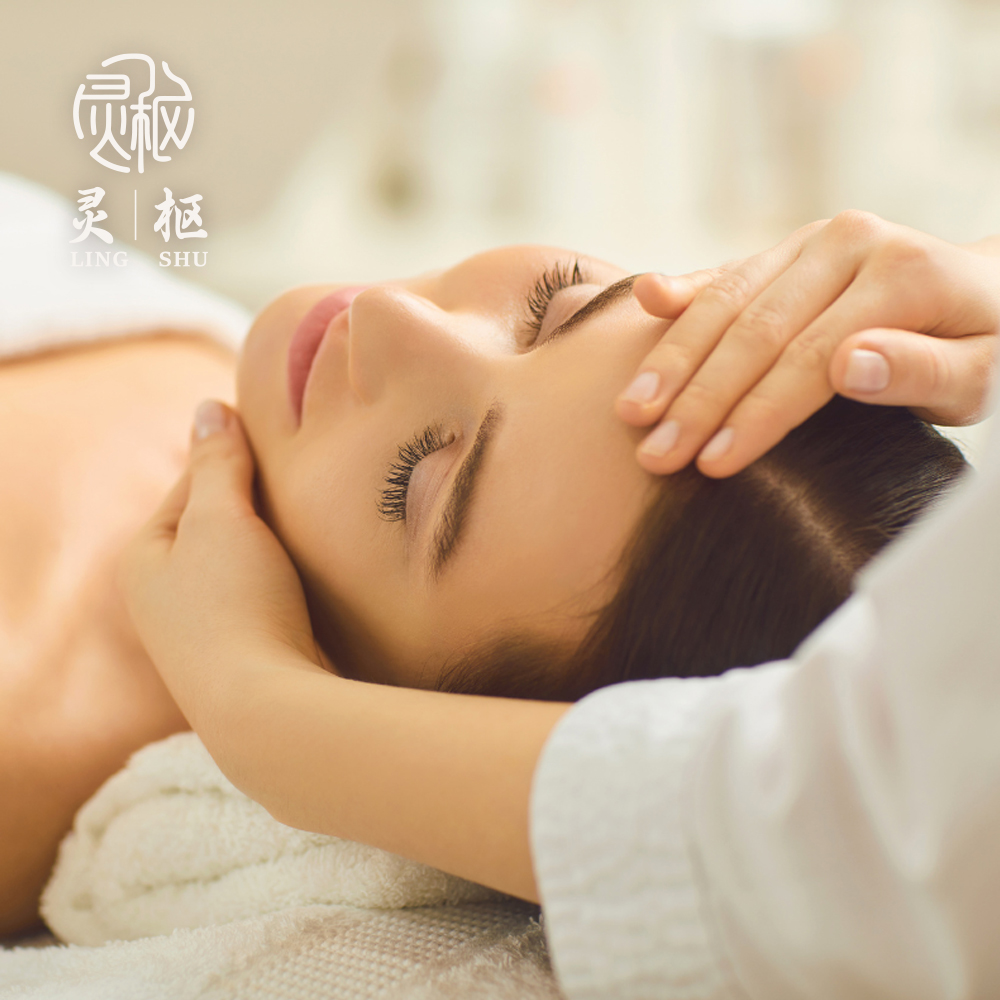
Acupuncture is the most commonly used treatment for sleep, combining points on the limbs with points on the head and ears. Head tui na is often added where the neck, jaw and scalp are tight. Chinese herbal medicine is used where the pattern is clear and the problem long-standing: granules from registered suppliers in Taiwan and Malaysia, changed weekly at no extra charge. Moxibustion is added where the picture is cold and depleted rather than hot and agitated.
Every plan includes practical work on the habits around sleep, and where shift work or long, irregular hours are part of the picture, the plan is built around the schedule you actually have rather than an ideal one. Perimenopausal night sweats are treated as part of our women's health work.
The path to results
Sleep responds gradually and in a particular order, and knowing the order stops people giving up too early.
The first two weeks. Weekly acupuncture and, where prescribed, your first herbal formula, reviewed weekly. The earliest change is typically how you feel during the day, or how quickly you settle back after waking, before total sleep time moves. Your practitioner reads your sleep diary each week and adjusts points and formula to what it shows.
The first month. By the fourth session your practitioner reviews the diary properly, looking at the trend across a fortnight: fewer awakenings, a shorter time to fall asleep, better daytime scores. For a recent problem, this is often where the nights themselves begin to change.
Weeks six to ten. Where sleep has been poor for years, six to ten sessions is the fairer window, and this is where longer stretches of unbroken sleep and a steadier wake time typically appear. The herbal formula shifts as the pattern shifts.
Afterwards. As sleep stabilises, sessions taper to fortnightly, then monthly, then stop. Many people return only when a stressful season threatens the pattern.
The benefits of treating insomnia with TCM
- Treats the cause of the wakefulness rather than sedating it
- Natural, gentle treatment that works with the body rather than against it
- Individualised: agitated and depleted sleep are treated differently
- Sleep habits addressed in the same plan as the treatment
- Sits alongside your doctor's care and any prescribed medication
- 30 to 60 minutes of full attention, and a session most people find deeply relaxing
Common questions
How many sessions before I know whether it is helping?
Can I keep taking my sleeping tablets?
Do I have to take herbs as well as having acupuncture?
Is it normal to fall asleep during the treatment?
Is it safe?
What does it cost? It depends on which treatments are involved and how long the session runs. Message us on WhatsApp with what you are coming about and we will tell you before you book.