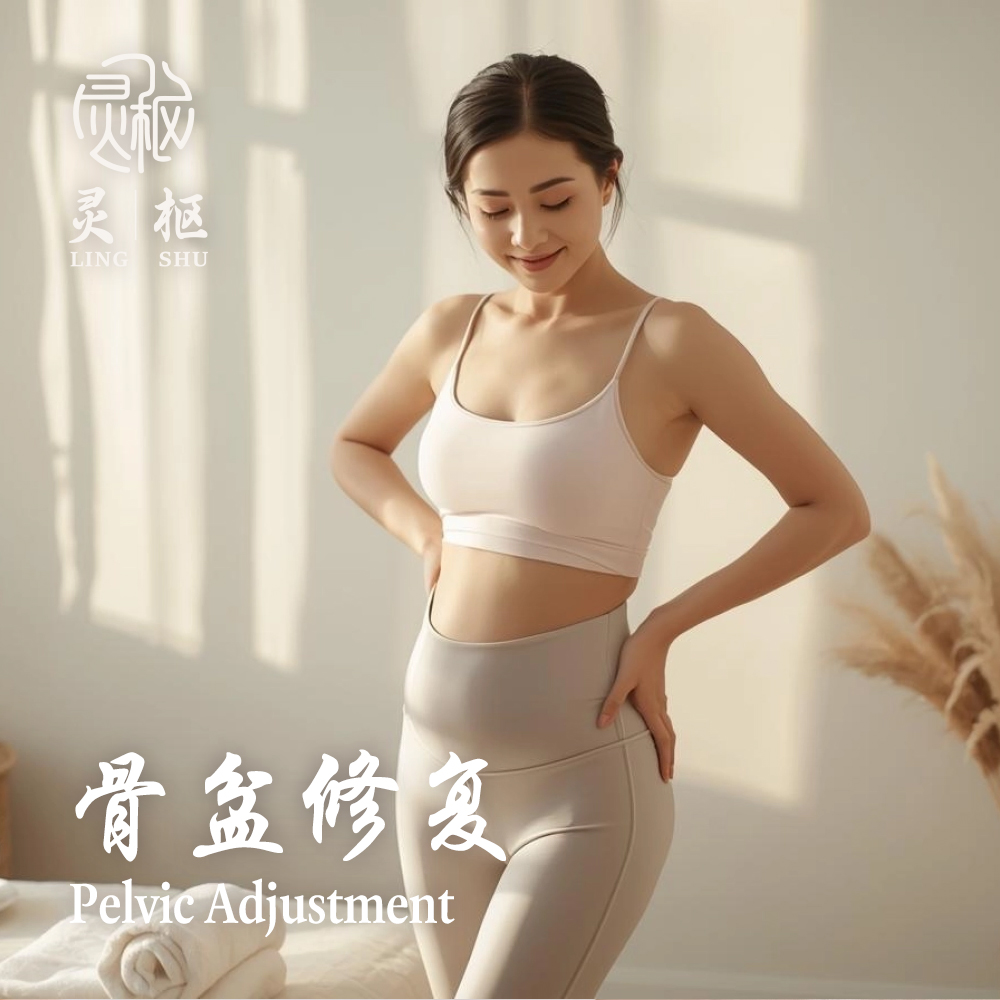
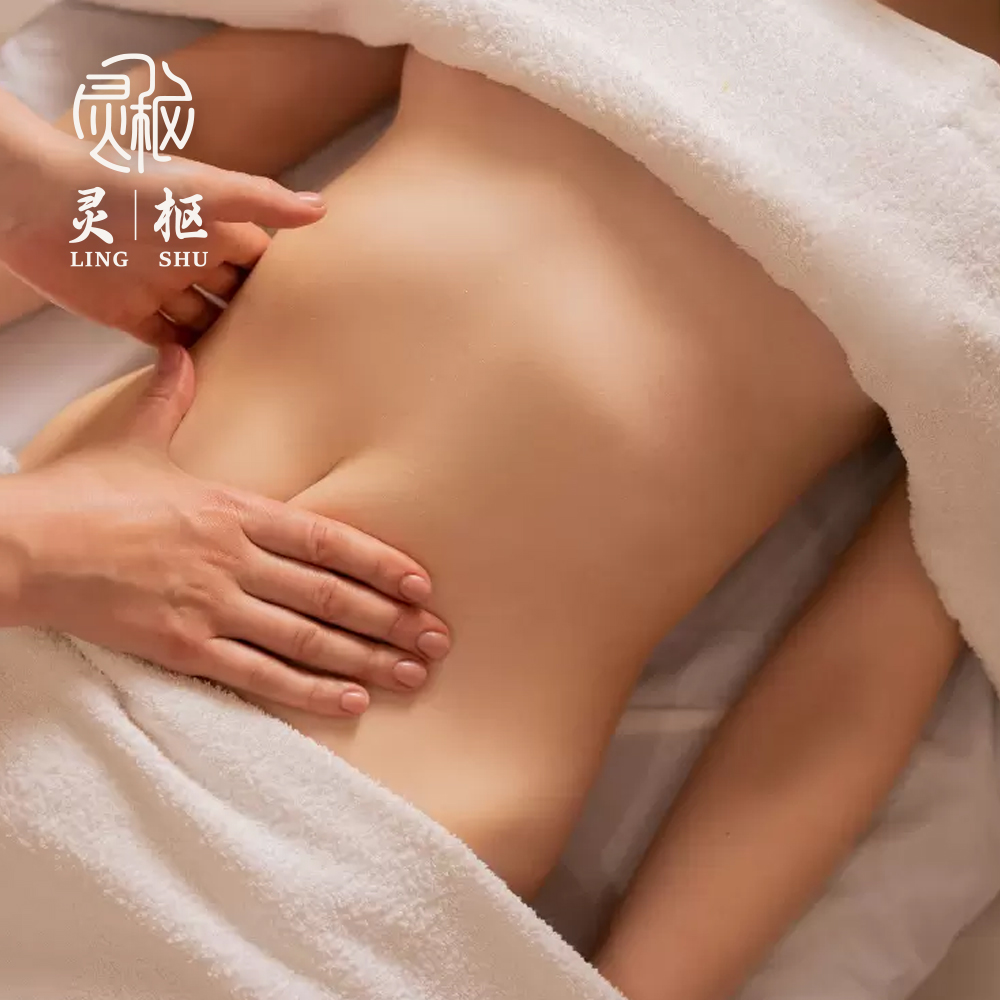
This session concentrates on the pelvis and the muscles that attach to it, rather than treating the lower back as a whole.
Assessment before anything else
The practitioner watches how you stand, walk and bend, then checks the pelvis by hand, comparing the two sides, looking at how each side moves and where the surrounding muscles are guarding. You will be asked where the discomfort sits, what makes it worse, and whether it refers down a leg.
Findings are explained to you before any hands-on work begins.
The hands-on part
You stay clothed in something loose. Treatment is done lying on your back, side and front.
The work combines soft-tissue release around the glutes, hip flexors and lower back with slow, guided mobilisation of the pelvis, the practitioner takes the joint gently to the end of its available range and holds. Movements are slow and within range; you should not be surprised by anything that happens.
Commonly booked for
Lower back and sacroiliac discomfort, one-sided hip tightness, discomfort that worsens with prolonged sitting or standing on one leg, and pelvic-area aching in the later postpartum period. It may help relieve muscular tension around the pelvis and is commonly used to support more comfortable and even movement. It works alongside medical care and physiotherapy rather than instead of them.
How many sessions would I need?
Usually a short run with reassessment each time, set at your first appointment rather than quoted in advance. The same asymmetry returns if the habits driving it do not change, which is why movement or strengthening work between visits often matters more than the sessions themselves, and why the plan is revisited at every appointment rather than fixed at the first.
Not suitable if you have
- A recent or suspected fracture, or any significant fall or injury not yet medically assessed
- Osteoporosis or known fragile bone
- Recent hip, spinal or pelvic surgery, or a joint replacement not yet cleared
- New or progressive nerve symptoms, leg weakness, numbness in the saddle area, or any change in bladder or bowel control, which is a medical emergency
- Pregnancy, or the immediate postpartum period, without medical clearance
- Anticoagulant use, a bleeding disorder, or a known clotting risk
- Inflammatory arthritis in an active flare, or joint hypermobility
- Fever, infection, or unexplained night pain or weight loss
The next day or two
Aching around the hips and lower back, similar to after unfamiliar exercise, is common and settles within a couple of days. Some people feel noticeably looser immediately and then stiffen up that evening; both are normal. Keep walking, avoid heavy lifting and long periods sitting still, and do any exercises you were given. Sharpening pain, or any new leg symptoms, should be reported.
Fuller reading: TCM for pain relief at LS TCM and the Knowledge Centre on TCM for pain.