
Blog
Does Acupuncture Hurt? An Honest Answer

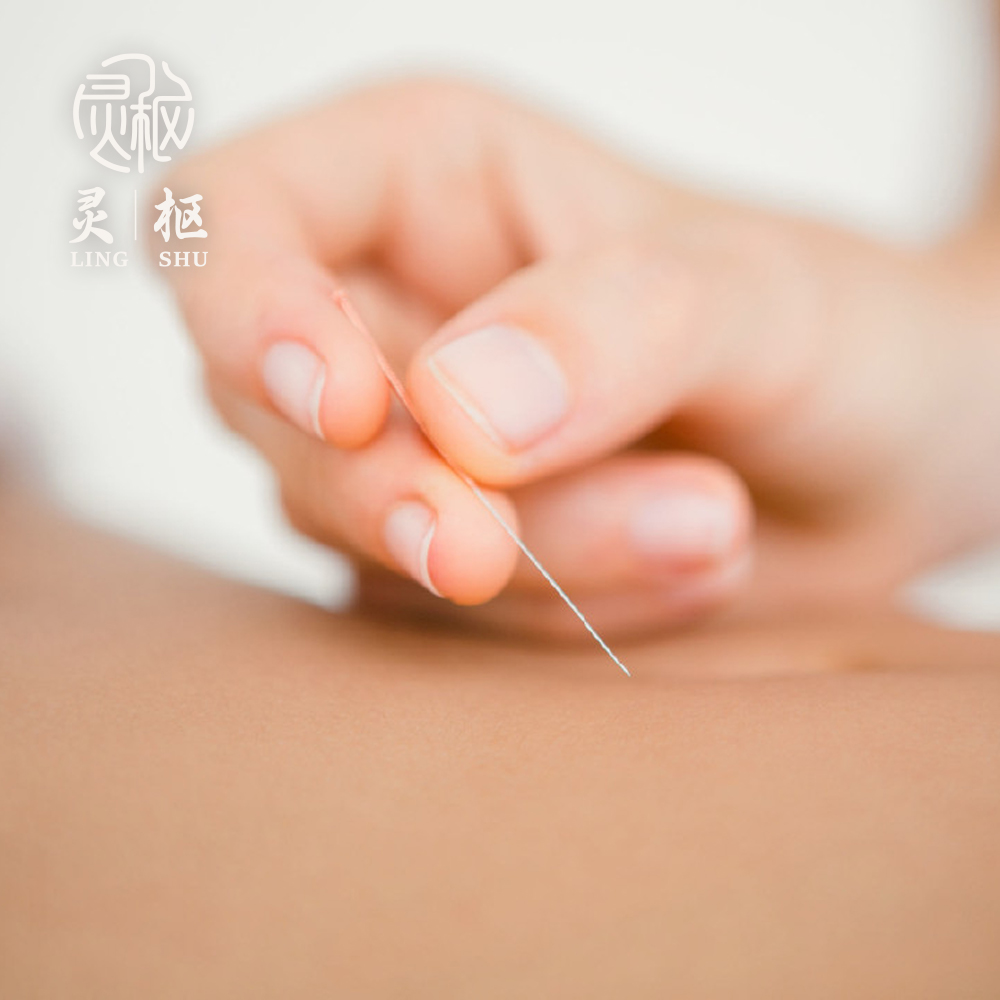
Mostly no, but sometimes a little, and it is not the same sensation as an injection. That is the honest version. This article explains what acupuncture actually feels like, which points tend to be more sensitive, and what to do if the idea of needles makes you uneasy.
What does an acupuncture needle actually feel like?
Most people feel either nothing at all, or a very brief pinch that fades within a couple of seconds.
The reason is size. An acupuncture needle is typically 0.16mm to 0.30mm across, which is roughly the width of a human hair or two. The needle used to take a blood sample is many times thicker, and it is hollow, which is what makes an injection feel like a bite. Acupuncture needles are solid, flexible and tapered, and they separate tissue rather than cutting through it.
Practitioners also use a guide tube for most insertions, which allows a quick, controlled tap through the skin. The skin is the sensitive part. Once the needle is past it, you generally stop noticing the insertion itself.
What is the heavy, aching feeling?
That sensation is called *de qi*, and it is expected rather than a sign that something has gone wrong.
Once a needle is in place, the practitioner may gently adjust it. Many people then feel one of the following around the point:
- A dull, spreading ache
- A feeling of heaviness or fullness
- A mild warmth
- A faint tingle, sometimes travelling a short distance along the limb
- Occasionally, a brief muscle twitch
In TCM theory this sensation is taken as a sign the point has been engaged. It usually settles within a few seconds and often becomes quite relaxing. Many patients fall asleep during the 20 to 30 minutes the needles are left in.
It should feel like a deep ache, not a sharp pain. If it is sharp, say so.
Which points hurt more?
Some areas are consistently more sensitive than others, and it is mostly to do with how many nerve endings sit near the surface.
More sensitive: fingertips and hands, the soles and tops of the feet, the ankles, the scalp, and the area around the face and ears.
Less sensitive: the back, the shoulders, the buttocks, the thighs, and the fleshy areas of the calves and forearms.
Also worth knowing: points in an area that is already inflamed or very tight can be more tender. If you have an acutely painful frozen shoulder, needling near the joint may be briefly uncomfortable, though practitioners often work at a distance from the painful area for exactly this reason. We cover this in more detail in our article on acupuncture for frozen shoulder.
If a particular point is too much for you on a given day, it can be skipped. There is almost always an alternative.
Does it hurt afterwards?
Usually not, though a small number of people feel some tenderness at needle sites for a day or so.
The most common after-effects are mild and short-lived:
- Slight tenderness or a bruise-like feeling at one or two points
- A small bruise, most often on the hands, feet or where a tiny blood vessel was nicked
- Tiredness or a heavy, relaxed feeling for a few hours
- Occasionally, feeling lightheaded straight after the session
Feeling tired afterwards is common enough that we recommend not planning anything demanding for the rest of the evening if it is your first session. Drink water, eat normally, and avoid a hard gym session that same day.
Serious adverse effects from acupuncture are rare when it is performed by a trained practitioner using sterile single-use needles. The most serious risks, such as pneumothorax from needling too deeply over the chest wall, are avoidable with proper technique and anatomical training, which is one of several good reasons to check that your practitioner is properly registered. Our guide explains how to check if a TCM practitioner is registered in Malaysia.
What if I faint at the sight of needles?
Tell us before the session, not during it. Feeling faint during acupuncture is uncommon but well recognised, and it is easy to prevent.
If you have a history of fainting during blood tests or vaccinations, or you simply feel very anxious, these things help:
- Eat before you come. Do not arrive on an empty stomach.
- Have the treatment lying down, not seated. Almost all fainting episodes happen in a seated position.
- Ask for fewer needles in the first session. A practitioner can use four or five points instead of twelve while you get used to it.
- Do not watch. Close your eyes, or look away. Most of the anxiety is visual.
- Say something as soon as you feel odd. Lightheadedness, sweating, nausea or ringing in the ears are the warning signs. The needles come out immediately, you lie flat, and it passes within a few minutes.
None of this is unusual and none of it is a problem. It is a great deal easier to manage a nervous patient who has told us they are nervous.
Is it more painful than a massage or cupping?
For most people, acupuncture is the gentlest of the three.
Deep tui na work on a tight shoulder can be considerably more uncomfortable than needling, because it involves sustained pressure on tissue that is already sore. Cupping is not usually painful during the session, but it produces a strong pulling sensation and leaves round marks that can look alarming if nobody has explained them. We have written about what cupping marks mean and how long they last if you want to know what to expect.
Before your first session
Tell us if you are pregnant, take anticoagulants such as warfarin, have a bleeding disorder, have a pacemaker or other implanted device, or have lymphoedema in an arm or leg. Any of these means the treatment needs adjusting, and in some cases avoiding.
If you are still unsure
The most useful thing you can do is ask before booking. Call the clinic on +60 3-2385 5899 and describe your concern. For a full walkthrough of a first appointment, see what to expect at your first TCM consultation.
*Medical disclaimer: This article is for general information only and is not medical advice, diagnosis or treatment. Speak to a registered TCM practitioner about your own situation, and tell us about any medication you take.*
Frequently asked questions
How many needles are used in one session?
It varies with the condition, but a typical session uses somewhere between six and sixteen needles. A first session for an anxious patient may use far fewer. More needles does not mean better treatment, and you can always ask your practitioner to keep the number low while you get used to the sensation.
How long do the needles stay in?
Usually 20 to 30 minutes. You lie still and comfortably during that time, often under a blanket, and many people doze off. The practitioner checks on you during the session and may adjust a needle or two partway through.
Can I have acupuncture if I am afraid of needles?
Yes, and a good number of our patients are. Tell us at the start. We can lie you down, use fewer points, keep them away from the more sensitive areas of the hands and feet, and stop at any moment. If you would still rather not, cupping, tui na, moxibustion and Chinese herbal medicine are all needle-free options.
Do the needles draw blood?
Rarely, and only a drop. Occasionally a tiny blood vessel is nicked on withdrawal and a small bead of blood appears, which is pressed with cotton wool and stops immediately. A small bruise may follow. This is more likely if you take blood thinners, which is one of the things we ask about beforehand.