
Blog
Cupping Marks Explained: What They Mean and How Long They Last

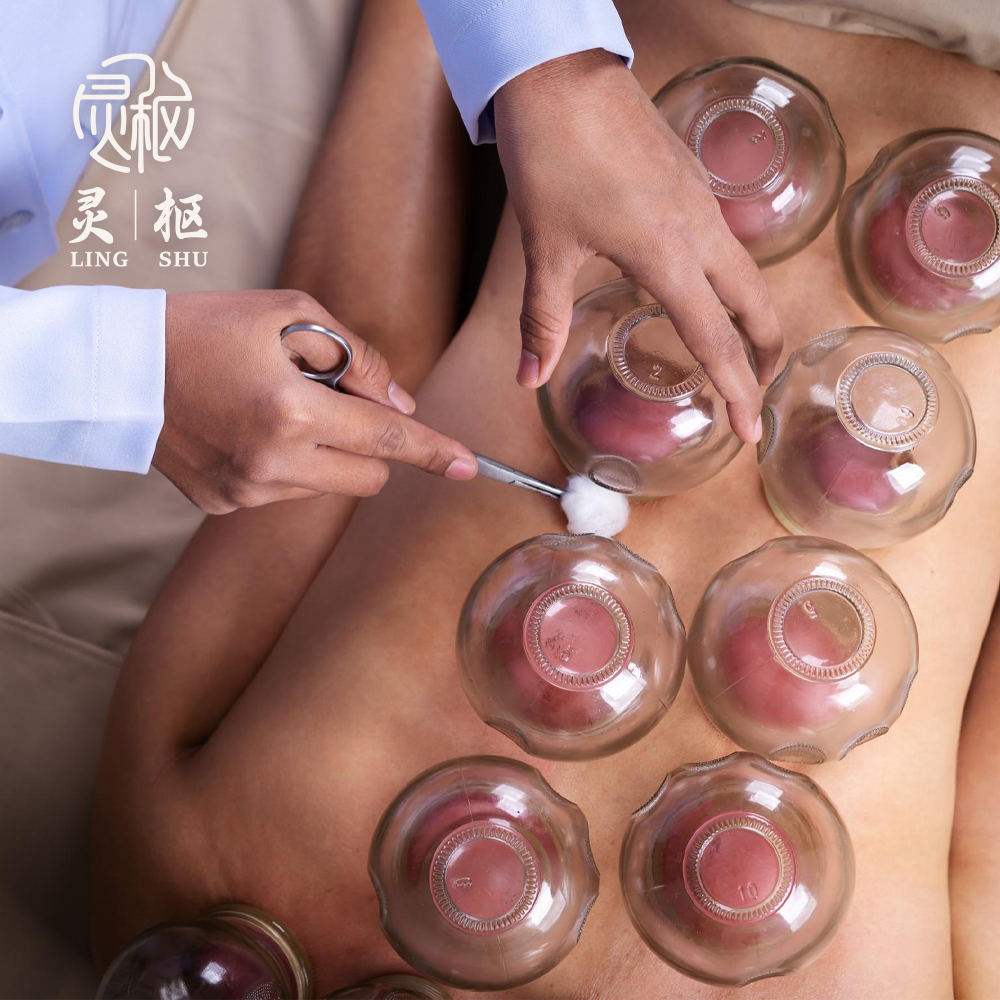
The round marks left by cupping usually fade within three to seven days, and they are not bruises in the way a knock or a fall produces a bruise. They are also not, despite what you may have read, toxins being drawn out of the body. Here is what is actually happening.
What causes the marks?
Suction. When a cup is applied and air is drawn out, the negative pressure lifts the skin and underlying tissue into the cup. That pressure causes small blood vessels near the surface to leak, and blood collects in the tissue just below the skin. The result is a circular discolouration.
This is a form of bruising in the technical sense, but it happens differently from an impact bruise. There is no blow and no crushing of tissue, which is why cupping marks are usually far less tender than a bruise of the same colour would be.
You may also see:
- Small raised bumps or a rough texture inside the circle, which is fluid drawn into the tissue and settles quickly.
- A pale ring at the very edge where the rim of the cup pressed.
- Tiny red dots (petechiae) rather than a solid mark, which is common with lighter suction.
Do dark marks mean I am more toxic or more unwell?
No. This is the most persistent myth about cupping and it is worth correcting plainly.
Cupping does not draw toxins out through the skin, and the colour of a mark does not tell you how sick you are.
What the colour does correlate with is more mundane:
- How strong the suction was, and how long the cup stayed on
- How easily you personally bruise, which varies enormously between people
- The area treated: the upper back marks more readily than the thighs
- Whether you take medication that affects clotting, such as aspirin or anticoagulants
- How fragile your capillaries are, which tends to increase with age
In TCM, darker or slower-fading marks are often described in terms of "blood stasis" in that area. Your practitioner can explain what they see in your marks and how it fits with the rest of your assessment.
How long do cupping marks last?
Most fade within three to seven days. Some clear in two, and a few take up to two weeks.
A rough sequence:
- Day 0 to 1: deepest colour, from pink through red to dark purple.
- Day 2 to 4: the edges soften and the mark begins to brown.
- Day 4 to 7: it fades to yellowish-brown and then disappears, much as a bruise does.
Marks last longer where circulation is slower, so the same treatment may fade in four days on the upper back and eight on the lower legs. Repeated cupping over the same area tends to produce lighter marks over time, once the local tissue is used to it.
If you have an event, a wedding or a beach holiday coming up, mention it. The practitioner can use lighter suction, shorter cup times, or moving cupping instead of static cups, all of which mark far less.
Is cupping painful?
Not usually. The sensation during the session is a strong pull or tightness rather than pain, and it eases within the first minute.
Afterwards, mild tenderness in the treated area for a day is normal, similar to the feeling after a firm massage. If cupping is combined with tui na, that tenderness may be more noticeable. Our article on whether acupuncture hurts covers the sensations for the other main treatments, if you are weighing up what to try first.
Tell your practitioner during the session if the pull becomes genuinely painful or burning. The suction can be reduced or released immediately.
Aftercare: what to do after your session
Keep it simple. There is no complicated protocol.
Do:
- Drink water normally and eat as usual.
- Keep the area covered and warm for a few hours, particularly if you are going into strong air conditioning.
- Take it easy for the rest of the day. Light walking is fine.
Avoid for about two hours:
- Very hot showers, saunas, steam rooms and hot tubs.
Avoid for about 24 to 48 hours:
- Vigorous exercise or heavy lifting.
- Swimming pools, and the sea, while the skin is still sensitive.
- Direct strong sun on the marked area, which can darken the pigmentation temporarily.
- Alcohol in quantity, which tends to make marks look worse.
Call the clinic if you notice:
- Blisters, broken skin or an open wound
- Increasing pain rather than settling pain after 48 hours
- Spreading redness, heat, swelling or discharge, which could indicate infection
- A mark that has not begun to fade after two weeks
Who should be cautious with cupping?
Cupping is generally low-risk, but it is not suitable for everyone and some situations need it modified or avoided.
Tell your practitioner before treatment if you:
- Take anticoagulants such as warfarin, or antiplatelet medication such as aspirin or clopidogrel
- Have a bleeding or clotting disorder, or very low platelets
- Have very fragile or thin skin, including skin thinned by long-term steroid use
- Are pregnant, the abdomen and lower back are avoided
- Have lymphoedema, or have had lymph nodes removed on that side
- Have a skin condition, open wound, recent scar, sunburn, varicose veins or a mole in the treatment area
- Have a pacemaker or implanted device
- Have diabetes with reduced sensation or slow healing in the skin
Cupping is not applied over the eyes, over large blood vessels, or over an area of unexplained swelling. If your pain comes with fever, numbness or weakness in a limb, loss of bladder or bowel control, or follows a significant fall or accident, tell us when you call so we can advise you before you book.
Talking to us first
If you are unsure whether cupping suits you, or you are worried about visible marks, ring the clinic on +60 3-2385 5899 and ask before you book. We can plan the session around what you are comfortable with.
You can read more about how cupping fits into a treatment plan on our pain relief services, or browse more in our treatments and therapies articles. If this would be your first visit, what to expect at your first TCM consultation walks through the whole appointment.
*Medical disclaimer: This article is for general information only and is not medical advice, diagnosis or treatment. Speak to a registered TCM practitioner about your own situation, and tell us about any medication you take.*
Frequently asked questions
Are cupping marks the same as bruises?
Technically they are a form of bruising, since both involve blood leaking from small vessels into surrounding tissue. The difference is the cause. A bruise comes from impact that also damages tissue, which is why it hurts. Cupping marks come from suction without impact, so they usually look worse than they feel and are only mildly tender at most.
Can I go to the gym after cupping?
Give it 24 to 48 hours before anything strenuous. Light walking or gentle stretching on the same day is fine. Heavy lifting or high-intensity training too soon tends to make the treated area feel more sore and can make the marks look darker.
Why did I mark badly this time when I did not last time?
Usually because of stronger or longer suction, a different area being treated, or something that has changed for you, a new medication, less sleep, dehydration, or simply a tighter area. Ask your practitioner to note the settings used so a session you were comfortable with can be repeated.
Does wet cupping leave different marks?
Yes. Wet cupping involves small superficial skin punctures before the cup is applied, so it leaves small pinpoint marks alongside the circular discolouration and requires proper wound care. It carries a higher infection risk than dry cupping and should only be performed by a properly trained and registered practitioner using sterile equipment and proper infection control.
2 thoughts on “Cupping Marks Explained: What They Mean and How Long They Last”