
Blog
Acupuncture for Frozen Shoulder: What TCM Can and Cannot Do

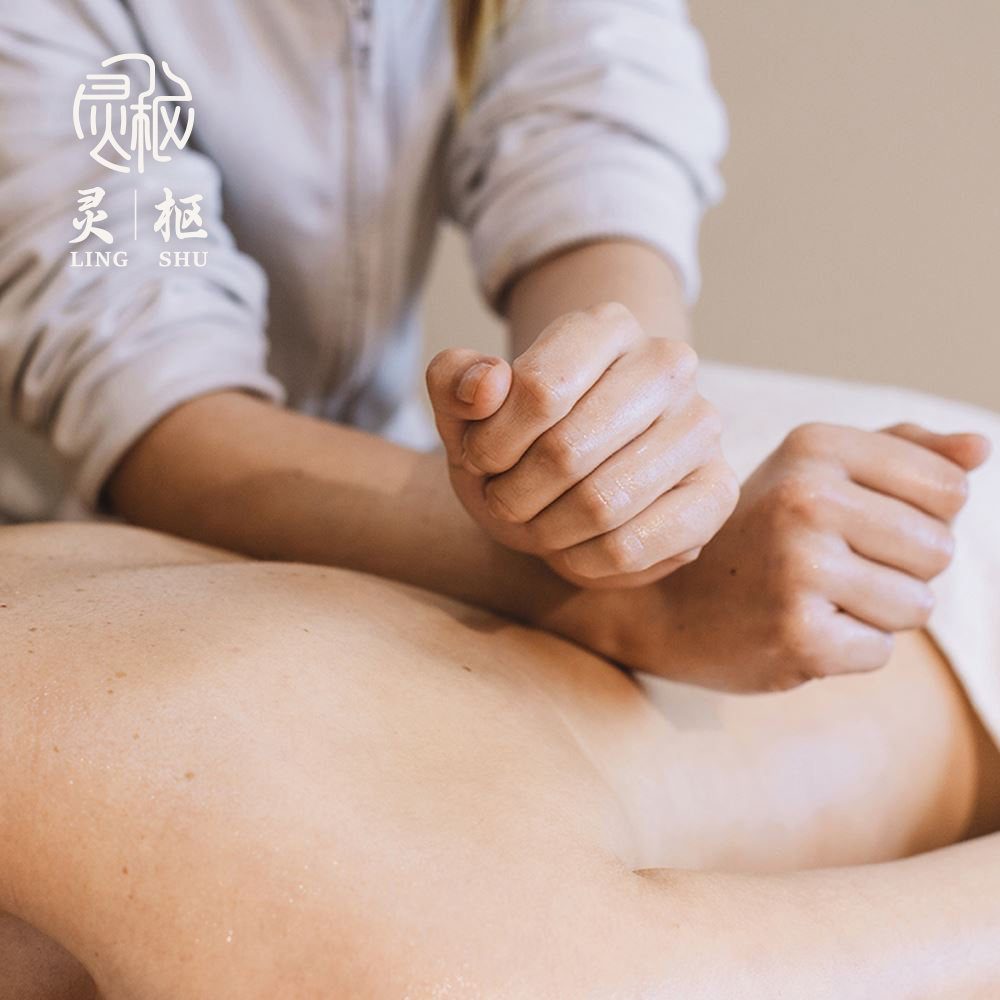
Acupuncture is commonly used to help manage the pain and stiffness of frozen shoulder. Here is what frozen shoulder is, how TCM approaches it, and what a course of treatment involves.
What is frozen shoulder?
Frozen shoulder, or adhesive capsulitis, is a condition in which the capsule surrounding the shoulder joint becomes inflamed, thickened and tight, so the joint gradually loses movement in every direction.
The distinguishing feature is loss of passive movement. If someone else lifts your arm for you and it still will not go past a certain point, that points toward a capsular problem rather than a muscle or tendon problem. A rotator cuff issue often allows more passive movement than active movement; frozen shoulder restricts both.
External rotation, turning the forearm outwards with the elbow tucked at your side, is usually the first and most severely restricted movement. Many people first notice it reaching behind to fasten a bra strap, get a wallet from a back pocket, or reach into the back seat of a car.
It is more common between the ages of 40 and 60, more common in women, and more common in people with diabetes or thyroid conditions.
The three phases, and why they matter
Frozen shoulder typically moves through three overlapping phases, and knowing which one you are in changes what treatment should be trying to achieve.
1. Freezing (painful) phase, roughly 2 to 9 months. Pain is the dominant problem and it worsens progressively. Night pain is common and often the reason people seek help. Movement is becoming restricted. Aggressive stretching in this phase tends to make things worse.
2. Frozen (stiff) phase, roughly 4 to 12 months. The pain settles somewhat but the stiffness is at its worst. This is when day-to-day function is most limited. Mobility work becomes more useful here.
3. Thawing phase, roughly 5 to 24 months. Movement gradually returns. Most people regain a great deal of function, though a minority retain some permanent restriction, particularly in external rotation.
These timelines vary widely between individuals and the phases blur into one another.
How acupuncture is used for frozen shoulder
Several clinical trials of acupuncture and electroacupuncture for frozen shoulder have reported improvements in pain and range of movement, often when combined with movement work. Acupuncture is commonly used to help relieve pain and make movement more comfortable, and it has a good safety record when performed by a registered practitioner.
How TCM approaches frozen shoulder
In TCM theory, the shoulder restriction seen in frozen shoulder is often described in terms of cold and dampness lodging in the channels, qi and blood stagnation in the local area, or an underlying deficiency in older patients.
In practice, a course of treatment usually combines:
Acupuncture. Both local points around the shoulder and distal points on the arm or leg. Practitioners often needle away from the most painful area during the acute painful phase, precisely because local needling can be uncomfortable when the shoulder is highly irritable. Electroacupuncture is sometimes added.
Moxibustion. Warming the area, used more in patients whose pain is clearly worse in cold or air conditioning.
Cupping. Applied to the upper back and around the shoulder girdle to work on the surrounding muscular tension rather than the capsule itself. It leaves round marks for several days, which we explain in our guide to what cupping marks mean.
Tui na. Manual therapy, with graded passive movement. Firm but not forced.
Chinese herbal medicine. Sometimes prescribed, particularly where pain is disturbing sleep. If you take prescription medication, please read our guide on combining Chinese herbs with western medicine first, and tell us everything you take.
Home movement work. This is the part patients skip and it is the part that matters most. Whatever else is done in clinic, a frozen shoulder that is not moved regularly at home tends to do worse. We will give you a small number of movements to do daily rather than a long list you will abandon by week two.
What a realistic course looks like
For a frozen shoulder, expect a course of sessions rather than a single visit, with your progress reviewed along the way.
- Frequency: typically once or twice a week initially, reducing as things settle.
- Review: your practitioner reviews your progress with you regularly and adjusts the plan. Results vary from person to person.
- What we measure: night pain, how far you can reach behind your back, external rotation range, and what you can do that you could not do before.
- Duration: frozen shoulder is a long condition, and treatment may run over several months. Prepaid treatment packages are available for longer courses.
Talking it through
A stiff, painful shoulder can be examined by TCM. It starts with an individual assessment by a registered practitioner, who will suggest a plan that suits you.
Our acupuncture treatment page covers the treatment itself. If you have never had acupuncture, does acupuncture hurt answers the usual concerns, and what to expect at your first consultation walks through the appointment.
*Medical disclaimer: This article is for general information only and is not medical advice, diagnosis or treatment. Speak to a registered TCM practitioner about your own situation, and tell us about any medication you take.*
Frequently asked questions
How long does frozen shoulder take to get better?
It varies widely between people. The painful phase often lasts several months, then the stiffness gradually eases and most people regain a great deal of movement. TCM care is commonly used to help manage pain and keep as much movement as possible along the way. Results vary from person to person.
Can acupuncture make frozen shoulder worse?
It is unlikely to make the condition worse, though needling directly into a highly irritable shoulder during the painful phase can leave the area sore for a day or two. Tell your practitioner if that happens, so the approach can be adjusted to use more distal points. Aggressive stretching or forceful manipulation during the painful phase is more likely to aggravate things than needling is.
Is there anything I can do at home between sessions?
Yes. Your practitioner will give you a small number of gentle movements to do daily. Regular home movement is an important part of the plan and helps the work done in clinic go further.
Does it always come back, or affect the other shoulder?
Recurrence in the same shoulder is uncommon. Involvement of the other shoulder at some later point happens in a meaningful minority of people, particularly those with diabetes. If you notice the same pattern beginning on the other side, pain first, then loss of external rotation, get it looked at early rather than waiting.